04/02/2026 General, American Art
Revolutionary!!
Who was this Revolutionary War soldier who proudly fought for American Independence? His portrait miniature was undoubtedly held close by a loved one while they were separated during the war. (Fig. 1) Sadly, it sometimes happens that, even when a portrait is treasured and handed down through a family, as this one was, the identity of the sitter is forgotten—lost to future generations. Can we find out who he was? Any attempt to recover the missing identity of a miniature can take extensive research into written documents such as family histories, inventories, letters, diaries, and wills.
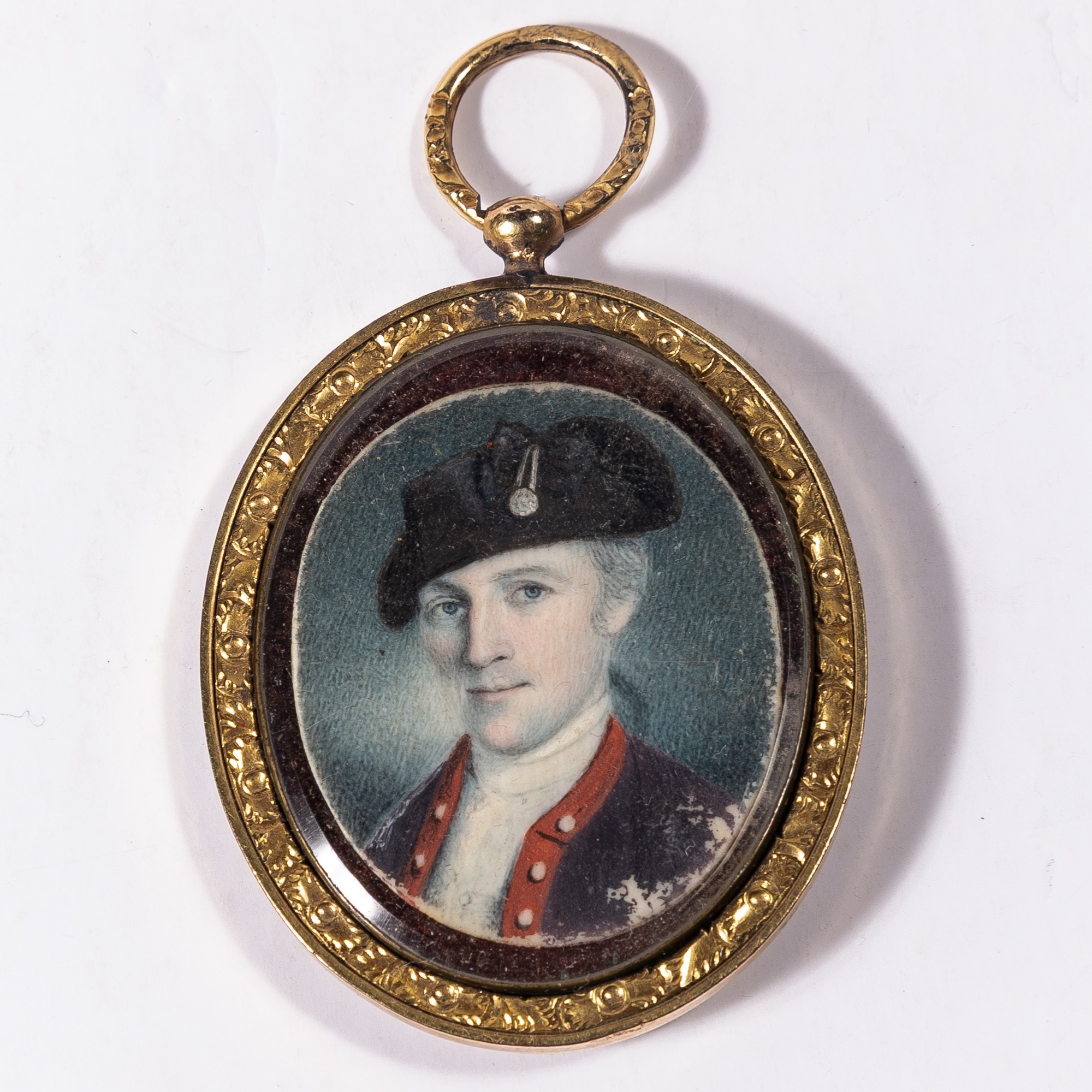
Fig. 1 Portrait miniature of a Revolutionary War soldier by Charles Willson Peale Image courtesy of Doyle
Such documentation, and the painting itself, reveal he was a Captain—he wears only one epaulette—and that the miniature was painted around 1778 by Charles Willson Peale, who kept it until his death in 1827. It was then passed down in the family. Later, a younger member of the Peale family housed it in a special gold case. (Fig. 2) All of this speaks to the fact that this miniature was highly valued by generations of Peales. This suggests that the portrait could be a Peale family member—possibly Charles Willson Peale's younger brother, James Peale, a Captain during the Revolutionary War. Originally, the miniature was probably put in a plain case made by Charles Willson Peale, who is said to have repurposed watch cases for his miniatures. Charles Willson Peale was also a Revolutionary War soldier. (Fig. 3)
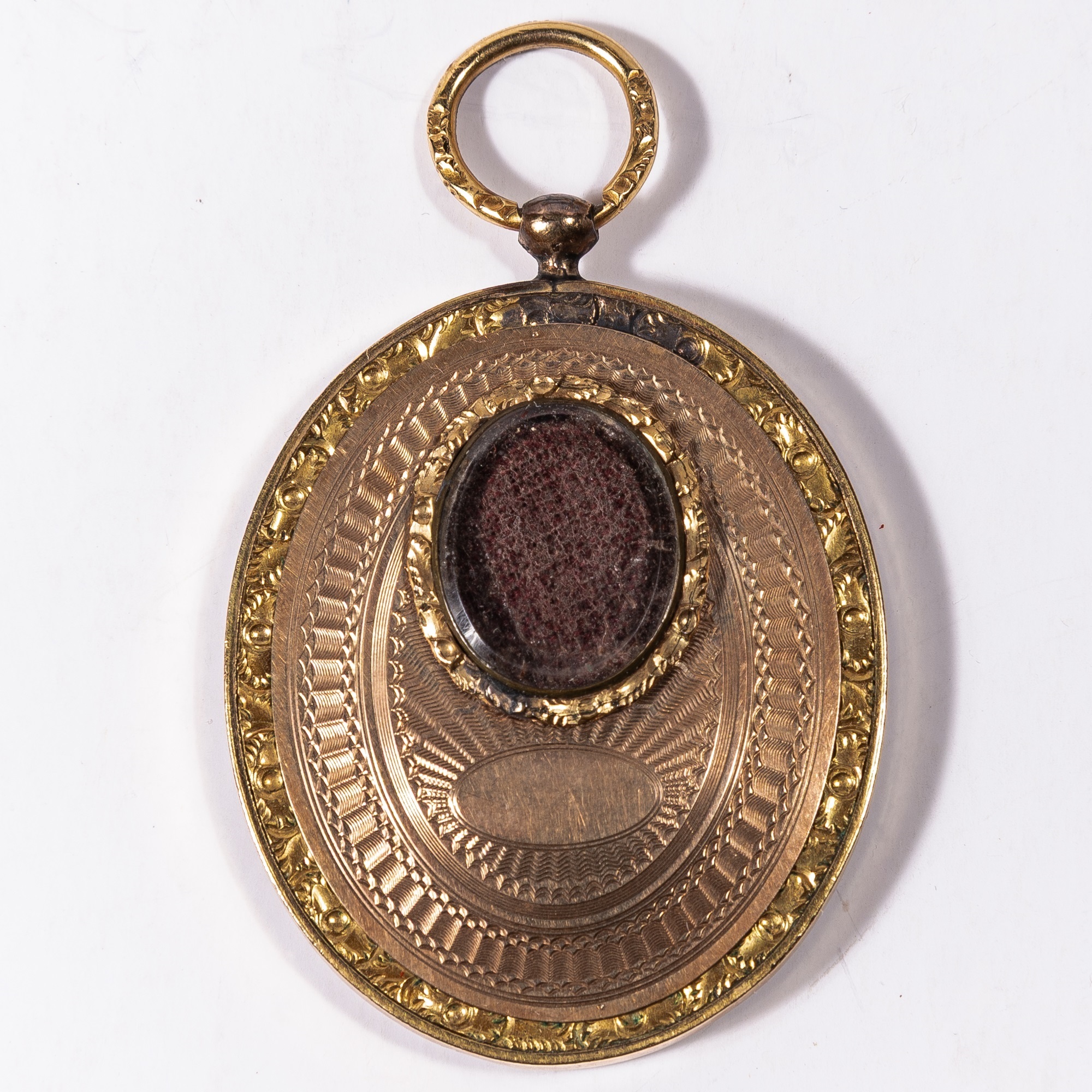
Fig. 2 Back of case with guilloché decoration and a glass-covered compartment for hair Image courtesy of Doyle
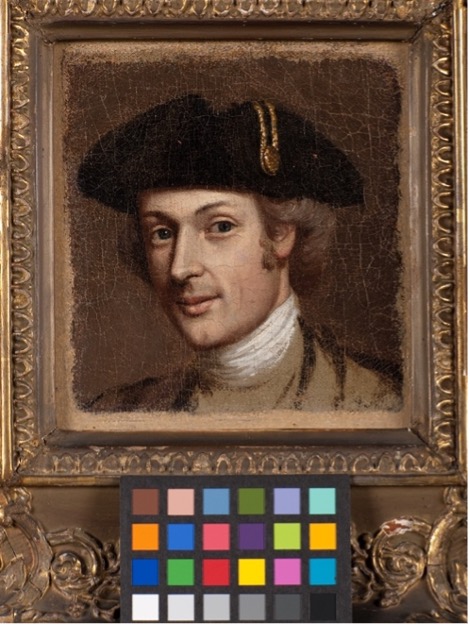
Fig. 3 Charles Willson Peale, Self-Portrait, 1777-78, oil on canvas, 13 x12 1/2 inches Courtesy of the American Philosophical Society
Even though cases holding portrait miniatures might also provide valuable information, little scholarly work has been done on them yet.[1] Understanding the historical processes that underlie how, when, where, and by whom a case was made could potentially produce real benefits for studying the paintings—and therefore, could potentially shed light on the identity of a sitter. In this instance, research on this striking locket revealed several more convincing reasons to support the supposition that the Soldier was a member of the Peale family. And, as it turns out, the case was as revolutionary as the Soldier!
The Case of the Case
Significantly, there is a portrait miniature of James Peale in the collection of the Metropolitan Museum of Art, featuring a similar case. [2] (Figs. 4 & 5)
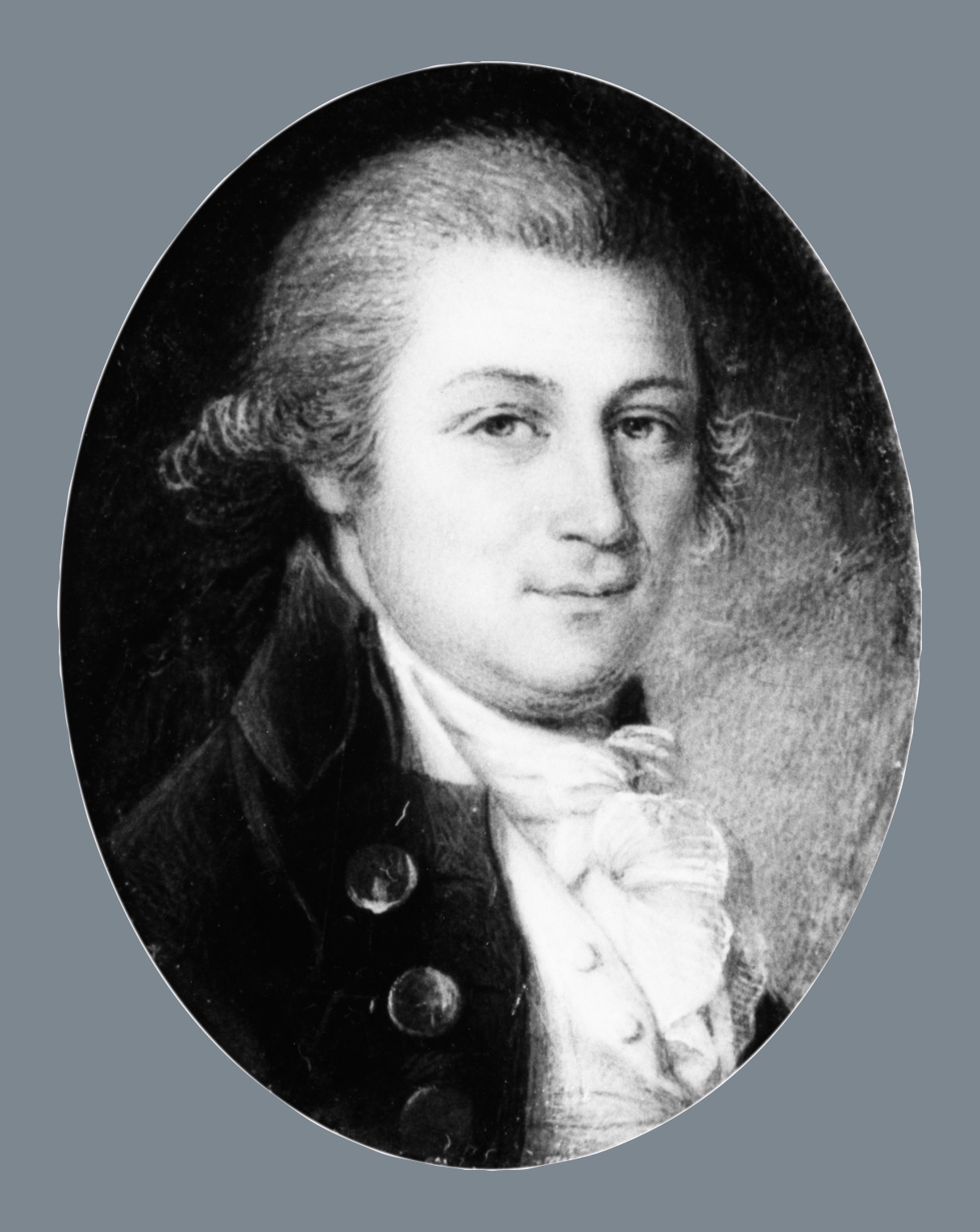
Fig. 4 Charles Willson Peale and James Peale, James Peale, 1788, watercolor on ivory, 1 5/8 x 1 1/4 in. (4 x 3.1 cm), The Metropolitan Museum of Art, New York, Gift of J. William Middendorf II, 1968.
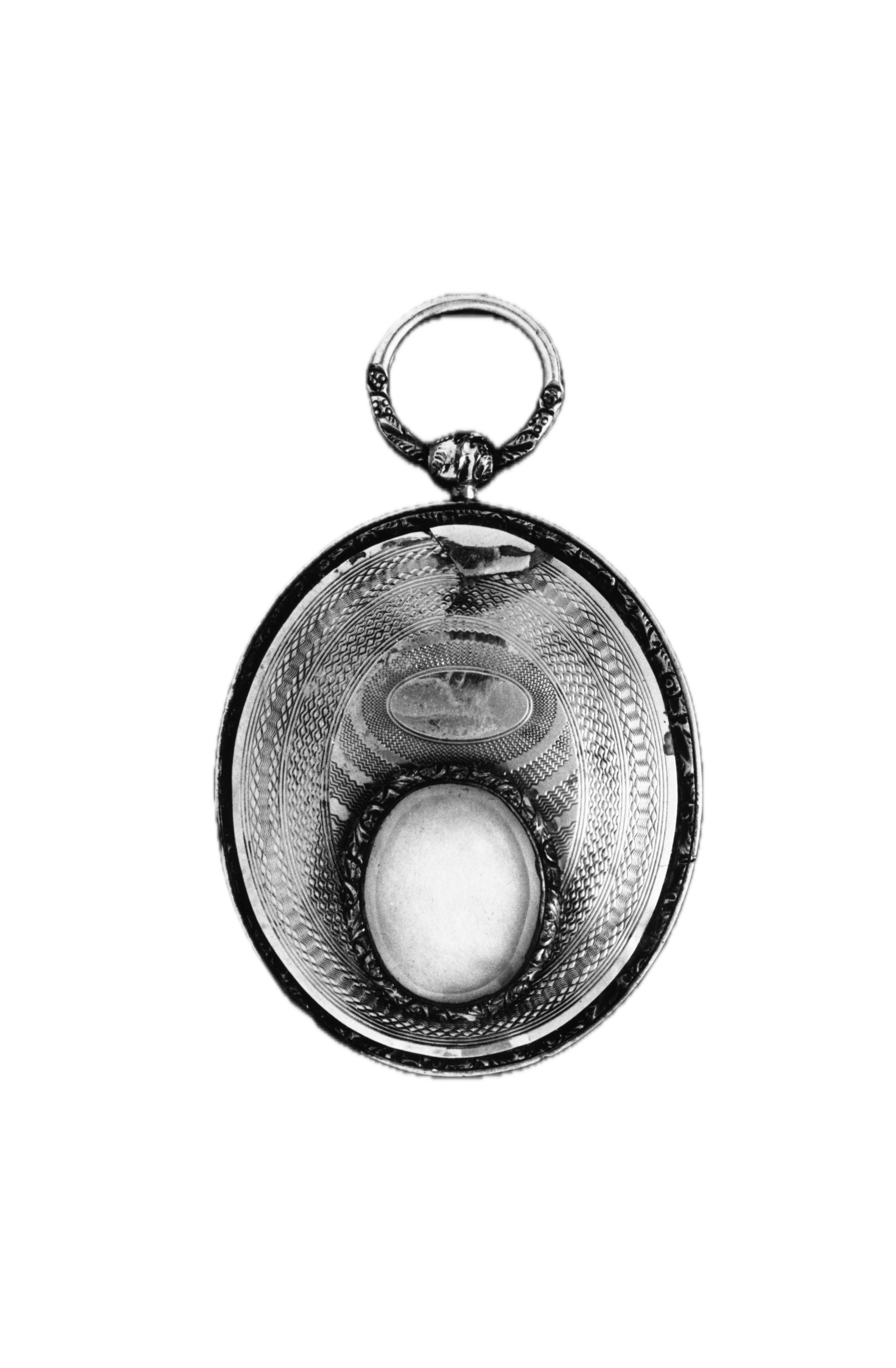
Fig. 5 Back of case
While I have discovered a few other such cases in my ongoing research, it is important to note that each case is unique, with different stunning designs — they were not easily-made or mass-produced items.[3] All these gold lockets have a cast foliate surround, a ball and ring hanger, and on the back, an off-center hair reserve for a lock of the sitter’s hair, and a blank oval for a name or initials.[4]
It’s the decoration that is inimitable. Called “guilloché,” or engine-turning, it is a mechanical engraving technique produced on an advanced kind of ornamental-turning lathe called a rose engine, or on a variation of it called a straight-line engine. The name was given because the rose engine works by the movement of a series of interchangeable metal disks with wavy edges, called "rosettes," that produce patterns that look somewhat like flower petals. (Fig. 6)
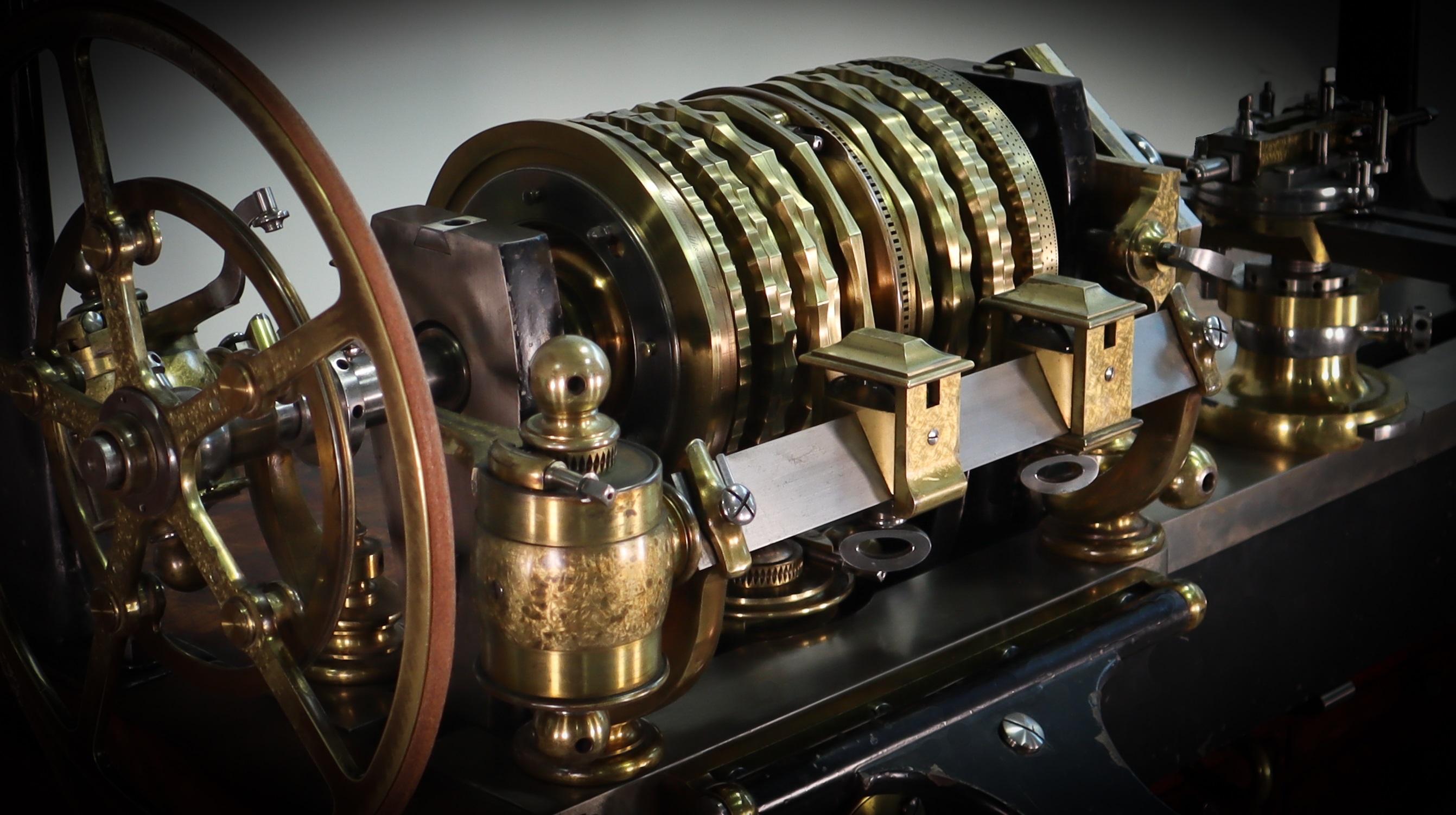
Fig. 6 Closeup of the rosette mechanism
Photo by Becky Lindow, courtesy of the Plumier Foundation.
This method of decoration creates an endless variety of precise and intricate patterns such as waves, spirals, and zigzags.[5] (Fig. 7) The rose engine requires complex, specialty apparatuses to produce guilloché patterns.[6] “…historical ornamental turners, inventors, and toolmakers went to great lengths to devise some of the most esoteric pieces of apparatus ever conceived, simply to decorate various surfaces of a workpiece.”[7] A guillochér (the artisan who operates the rose engine) is, of necessity, an artist, inventor, and mechanic.
Fig. 7 The first published examples of Straight-line and Rose engine for guilloché were published in Bergeron’s “Manual du Turneur,” in 1816.
Most guilloche patterns are circular or elliptical, centered around one axis of rotation. But what is special about these lockets is that they have a second, off-center point of rotation as well. In addition, this second pattern is turned (“indexed”) 90 degrees from the first, and stopped from overlapping the first! (Fig. 8) To achieve this high level of complexity required an artistic, inventive artisan who could afford a rose engine and was a skilled enough engineer to “MacGyver” his machine.[8] The Peale family put the Soldier’s and James Peale’s miniatures in very special cases indeed! To understand how special, a brief explanation of how, when, where, and by whom the case might have been made is necessary.
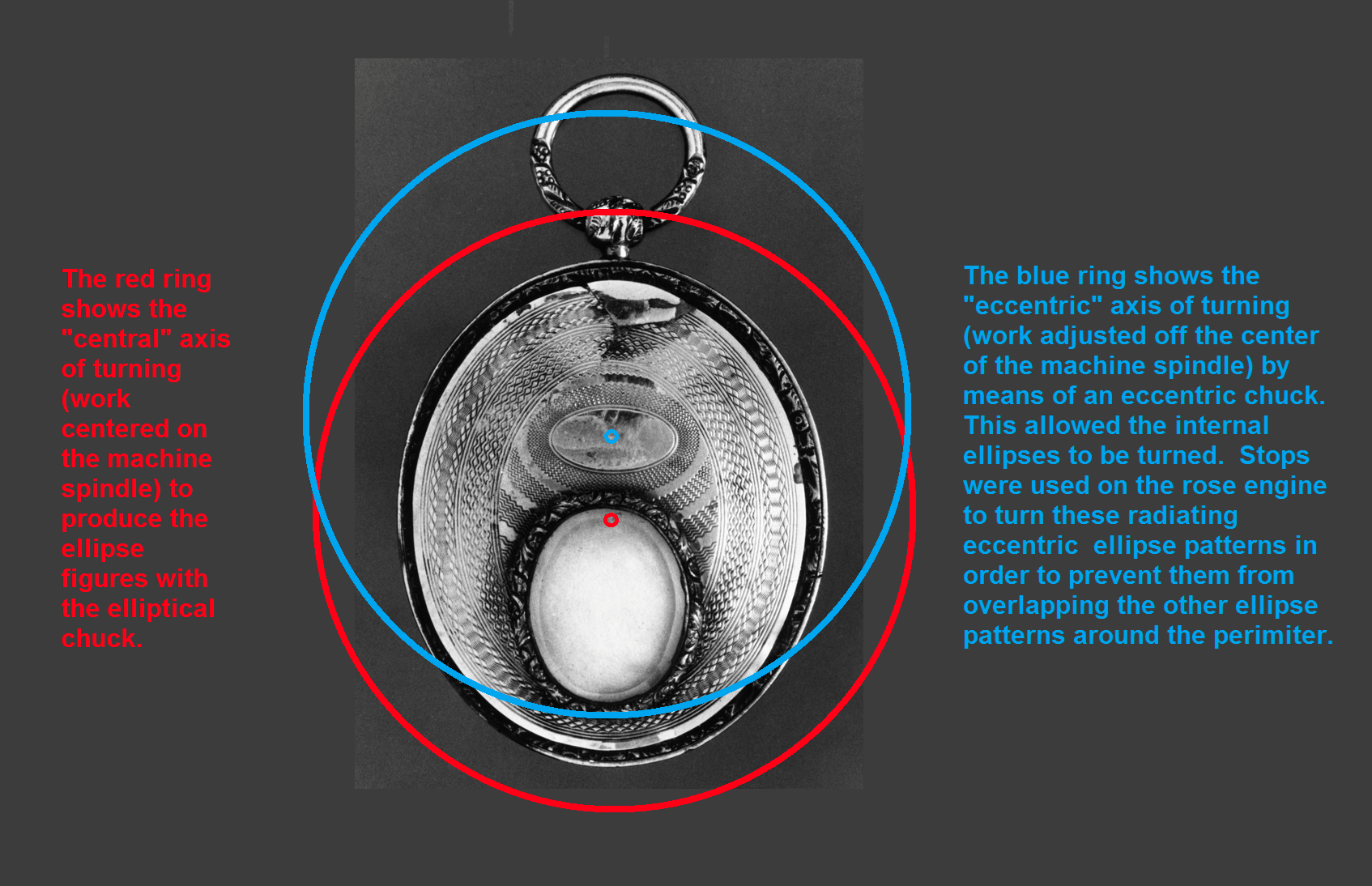
Fig. 8 The process of cutting patterns around two axes of rotation. Thanks to Spencer Hamann, President of Ornamental Turners International, for figuring this out and creating this graphic.
The Revolutionary Rose-Engine: Where art, history, craft, and science meet
The rose engine, developed in the 15th century, was rare and incredibly expensive to own, since each machine was custom-built and a work of art. Ornamental turning was the hobby of many of the crowned heads of Europe, up to and including Queen Victoria.[9] (Fig. 9)
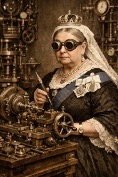
Fig. 9 Steampunk Queen Victoria at work at her lathe. Created by Pamela Ehrlich and ChatGPT
Ornamental lathes became more widely available to wealthy gentlemen when Josiah Holzapffel started a firm in London that made them between 1794 and 1914. (Fig. 10) Other firms began producing them as well, once they figured out that “The lathe, termed ‘the engine of civilization,’ is unique amongst machine tools in that it is the only machine capable of replicating itself, and is also capable of manufacturing all other machine tools.”[10] And so, in time, engine begat engine, and lo, there were more of them. Interest in a wider use of rose engines, both in England and America, was piqued by its potential to create patterns for banknotes and stamps that would foil forgers. (It didn’t.) However, the history of rose engines in America is murky. Charles Field is the earliest known manufacturer of rose engines in Providence, Rhode Island in 1857, but they were certainly being used much earlier in America — by inventors.
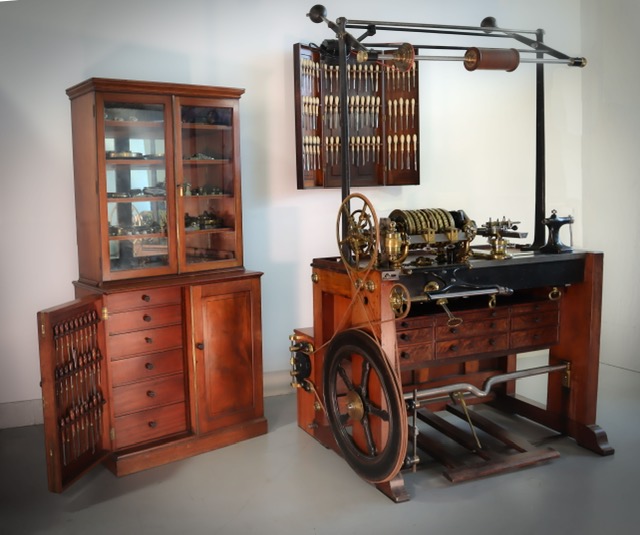
Fig. 10 Holzapffel #1636
Photo by Becky Lindow, courtesy of the Plumier Foundation
It was an exciting time to be an inventor in America in the early 19th century. In New York and Philadelphia, inventors founded societies such as the Franklin Institute in Philadelphia and the American Institute in New York, where they gathered and interacted. Often using the lathe, they created the cornerstones of the modern world — such as gas lighting, the telegraph, the revolver (the “six-shooter”), and the cast-iron buildings that made the skyscraper possible.
“The modern lathe was not actually invented, but was a product of the refinement of input from many sources. Its evolution was one of gradual improvement.”[11] This machine was capable of precision unmatched by the human hand. Thereafter, with the ability to make standardized parts quickly and precisely, it took fewer people to make and assemble products, and manufacturing technologies continued to develop. Today, there are CNC (Computer Numerical Control) lathes. "Guilloché-like" patterns can be produced by them, or by stamping (pressing a pattern onto metal) but these lack the sparkle and brilliance of engraving done on a rose engine with the guiding hand of an artisan. The rose engine was an engine that drove the Industrial Revolution.
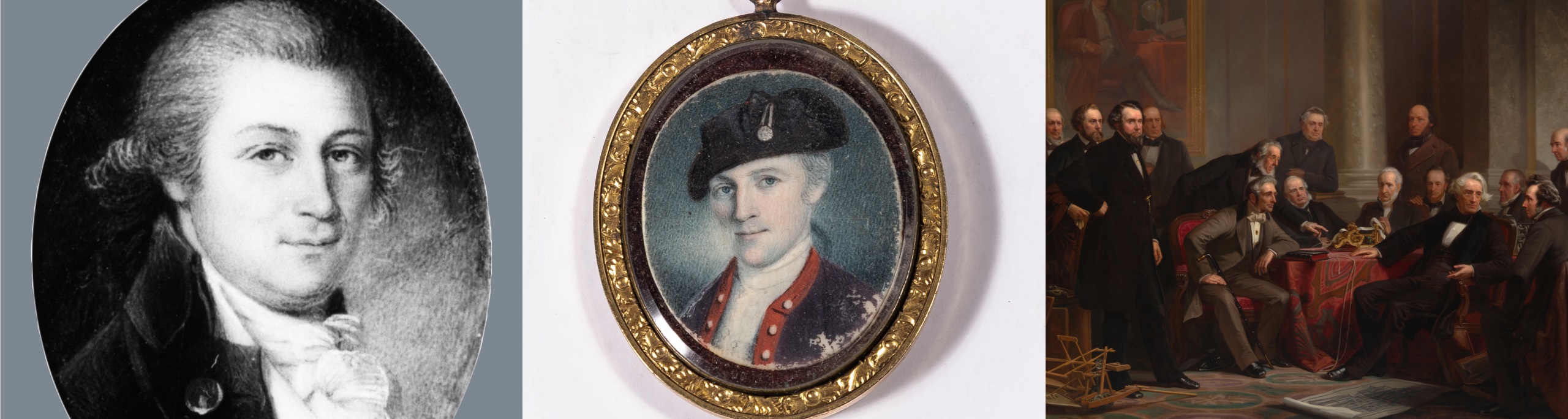
In 1857, Christian Schussele was commissioned to paint Men of Progress, a group portrait of nineteen American scientists and inventors who “had altered the course of contemporary civilization.[12] Many of them used the rose engine to create their inventions. Samuel F.B. Morse, Joseph Saxton, Samuel Colt, and James Bogardus, to name a few. (Fig. 11)
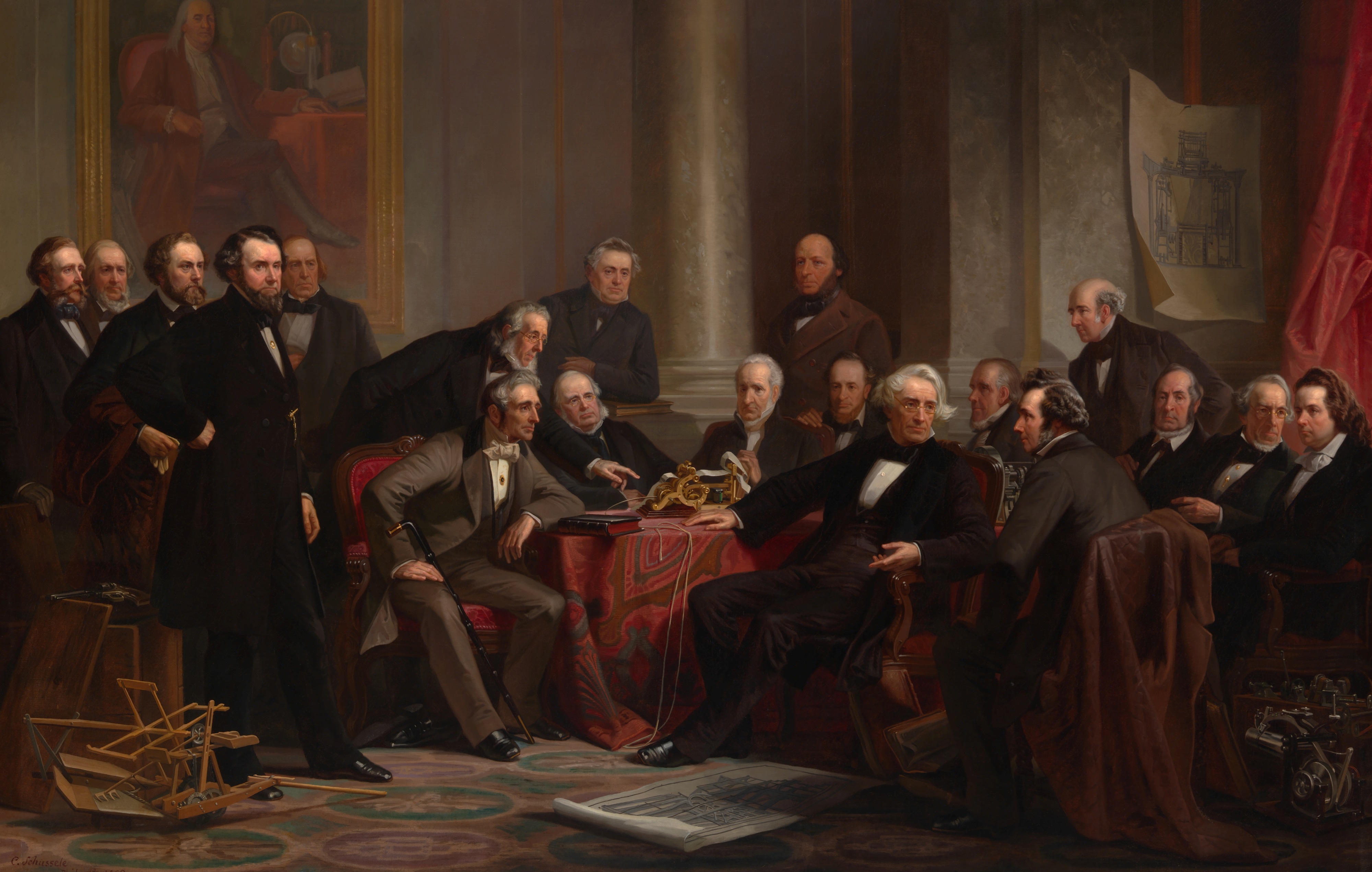
Fig. 11 Christian Shussele, Men of Progress, oil on canvas, 1857, National Portrait Gallery, Smithsonian Institution; transfer from the National Gallery of Art; gift of the A.W. Mellon Educational and Charitable Trust, 1942
Mary Jane Peale, Ruben Peale’s daughter, owned two studies created for this painting by her teacher at the Pennsylvania Academy of the Fine Arts, Christian Schussele, of Joseph Henry and Samuel F. B. Morse. Members of the Peale family were connected to many of these men and institutions, as well as being involved with the design and creation of currency.
To summarize, the Soldier’s gold case was probably engraved in America between 1835 and 1840 in New York or Philadelphia, by a highly skilled artisan with access to, and knowledge of, how to operate a rare machine called a rose engine. The case was far from ordinary. While a few others have been found, each one is unique. My research so far suggests that the maker might be one of the polymath inventor friends of the Peales.
Once machine technology was developed enough, they were no longer made by such an artisan —a model of the gold, guilloché case could be made and copies cast in cheaper metal — but the engraving would not be as sharp and beautiful. Also, a few of these cases contain daguerreotypes, instead of paintings. This style of case was still used at the time miniatures were beginning to go out of fashion with the advent of the daguerreotype, 1839 to 1840. Portraiture became affordable for more people as it transitioned from small painted images in personal lockets to daguerreotypes in larger, display-oriented, mass-produced casings of cheaper materials, such as "union cases" made from thermoplastic. (This was America’s first plastic, invented in 1850, a material made from shellac and wood fiber, which was heated and pressed into molds.) The daguerreotype was introduced to America by Samuel F.B. Morse, the renowned portrait painter and inventor of the telegraph — a prime example of the polymath inventors of the time.
The Peale family valued the portrait of the Unknown Soldier enough to place it in a locket matching the one they used for James Peale’s self-portrait, which gives credence to the conjecture that he was a family member — possibly James Peale.
The Soldier’s portrait miniature, painted ca. 1778, together with its golden case, is a perfect metaphor for the arc of American history described by a war that was Revolutionary — not just for America, but for the world, to another world-changing revolution — the Industrial Revolution.
By Pamela Ehrlich, Independent Scholar and artist
Mystic, Connecticut
My research on the Soldier’s miniature and the case is ongoing, and a forthcoming article is in preparation.
My sincere and grateful thanks to David Lindow of the Plumier Foundation; Spencer Hamann, President of the Ornamental Turners International (ornamentalturners.org); Arthur Kingdon, President of The Society of Ornamental Turners (www.the-sot.org); and John Moorhouse. They have guided me in my quest to understand the workings of this amazing machine. Any and all mistakes are my own.
[1] Lori Zabar’s seminal essay, “The Case of the American Portrait Miniature,” is the exception.
It is in Barratt, Carrie Rebora, and Lori Zabar. American Portrait Miniatures in the Metropolitan Museum of Art. New York: Metropolitan Museum of Art; New Haven: Yale University Press, 2010. pp. 12–28. The book may be accessed here: American Portrait Miniatures in the Metropolitan Museum of Art,
[2] It is identified as the miniature Charles Willson Peale wrote about in his diary for August 25, 1788 — that he began this work, but that it was largely painted by his brother James.
[3] Where a provenance is available, the cases originate mostly in either the New York or the Philadelphia area. A difficulty in studying these cases is that the backs of miniature cases are rarely pictured in publications.
[4] Lori Zabar noted that “In a fashion that first appeared in New York City and Philadelphia then gradually spread throughout the country, hair reserves … were placed asymmetrically, rather than in the center…”.
[5] To see how this is done, see MADE Rose Engine Lathe No. 5 Engine Turning w/ Eccentric Chuck on Fine Silver (Guilloche) https://www.youtube.com/watch?v=NZryll5nXw4
[6] A rose engine’s "rosettes," are disks with a variety of wavy edges, stacked on a rotating spindle. As they turn, one end of a tool called a “follower,” rides along the contours of a disk. The other end of the tool connects to the carriage holding the piece to be engraved, causing it to move continuously in a way determined by the rosette. Then, a stationary cutting tool is brought in contact with the moving piece to carve precise, intricate, flower-like patterns. The rose engine cuts three principal kinds of patterns: circular, elliptical, or lined. (A straight-line engine was used for straight, wavy lines.) The disk (cam) and follower assembly is still an important mechanism in today’s machines.
[7] “Ornamental Obsessions: Slightly Eccentric” by Jon Magill
https://rogueturner.com/ewExternalFiles/Ornamental%20Obsessions.pdf
[8] A term derived from the 1980s TV show MacGyver, to "MacGyver" means to invent a clever solution to a problem using only what’s at hand.
[9] For an excellent history of the rose engine, see “Looking at Guilloche in Conservation” by Brittany Nicole Cox and David Lindow, AIC Objects Specialty Group Postprints, Vol. 23, pp. 162–178. http://archives.getty.edu:30008/getty_images/digitalresources/edocs/objects-specialty-group-postprints-vol-23-2016.pdf
[10] This quote is attributed to John Jacob Holtzapffel from his book, Turning and Mechanical Manipulation, vol. 1.
[11] https://www.ornamentalturner.com/history.htm, A Brief History of Ornamental Turning.